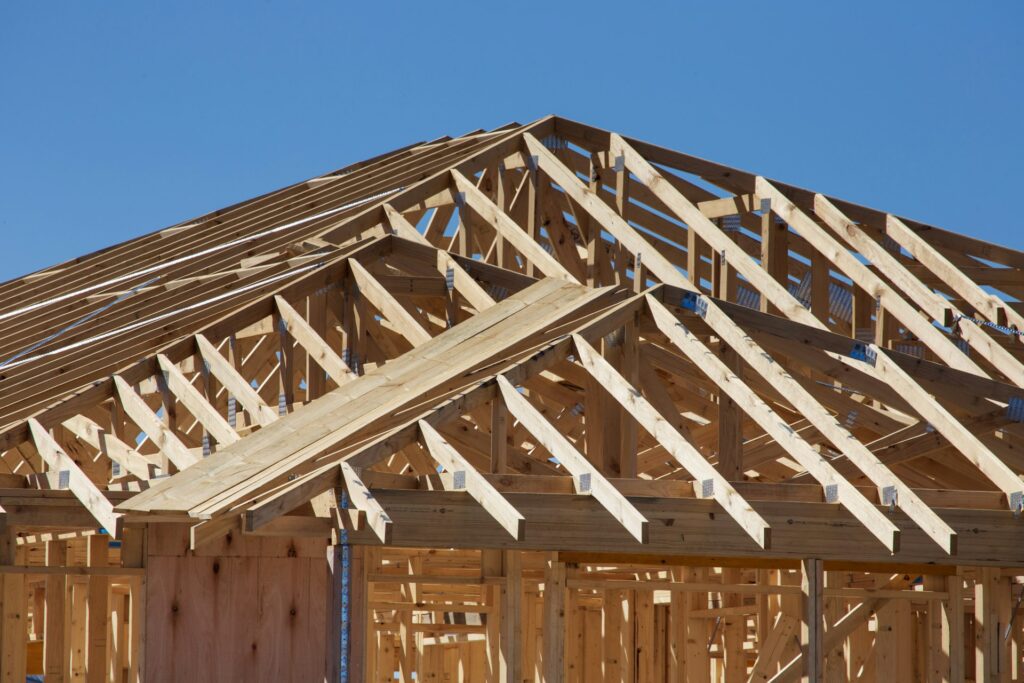
Marketing for home builders fills the pipeline year-round when it’s built for a long, high-trust sales cycle: a strong local presence, content that educates buyers, steady follow-up, and clear measurement from first inquiry to signed contract. Empty pipelines don’t pay the bills, and flashy ads alone won’t fix them. Here’s how I’d approach it.
What Makes Marketing for Home Builders Different?
Home builder marketing isn’t a spray-and-pray exercise. The sales cycle is long, the purchase is one of the biggest a family will ever make, and buyers need to trust you long before they sign. You’re not just selling a house. You’re selling a future, a lifestyle, and a promise of quality.
That’s why predictability matters so much. When each project represents a major contract, a few extra qualified leads a year can change your business. Good marketing for home builders is measurable, accountable, and tuned to your model, whether you build custom homes, semi-custom plans, or communities.
Build a Data-Driven Foundation
You can’t run an effective program without solid data. Track leads, appointments, conversions, and cost per lead for every channel. Paid search, social ads, SEO, and email should work together: ads and search attract buyers, and email and follow-up nurture them through a decision that can take months.
Make sure your website does its job, too. Fast pages, strong photography of finished homes, clear floor plans, and an easy way to request a consultation turn interest into conversations.
Win Locally
Buyers almost always start with a local search. A complete, active Google Business Profile with real project photos and steady reviews puts you in front of them. Google suggests you ask customers to visit a Google link or scan a QR code to leave a review, which is easy to build into your closing and move-in process. For a full walkthrough, see my Google Business Profile checklist and how to get more Google reviews.
Use Content to Build Authority and Trust
Content does double duty for builders. It educates buyers on the process, timelines, financing, and design choices, and it shows off your expertise and craftsmanship. Blog posts that answer common questions, guides to building versus buying, and regular email newsletters keep you top of mind through a long decision.
Storytelling matters here. Turn your design quality, finished projects, and local reputation into stories. Walkthrough videos and homeowner stories are especially powerful. My post on video marketing for small business explains why planned quarterly shoots beat one-off videos.
Target Communities and Automate Follow-Up
Smart targeting and seamless follow-up separate steady pipelines from feast-or-famine ones. Build landing pages for the specific neighborhoods and areas you build in, and run community-level ads that speak to those buyers. Then use CRM automation to track every inquiry and nurture leads, so prospects get timely follow-up without your team chasing them by hand.
Referrals matter in this industry too. Past homeowners, realtors, and lenders can be your best source of qualified buyers. A simple referral program makes that word of mouth more consistent.
How to Choose a Home Builder Marketing Partner
Before you hire, dig into a partner’s industry experience and track record. Look for someone who can cover SEO, paid search, reputation management, and content, and who reports on leads and contracts, not just clicks. Be wary of anyone who guarantees a specific number of homes. Good partners commit to a process and transparent measurement, not promises they can’t control.
And don’t underestimate strategic leadership. In my experience, the real bottleneck is often a leadership gap: no one owns the marketing outcome. A fractional CMO can set the strategy and hold every vendor accountable. My guide to hiring a marketing agency covers what to ask before you sign.
Frequently Asked Questions
What is home builder marketing?
A specialized approach to generating leads and sales for custom and production builders through local search, advertising, content, community targeting, and consistent follow-up.
How long does marketing for home builders take to work?
Paid search and social can generate inquiries quickly, while SEO, content, and reputation build momentum over months. Because the sales cycle is long, judge results over quarters, not weeks.
Why is content important for home builders?
It educates buyers, builds authority, and keeps your brand top of mind through a long buying journey.
What should I look for in a home builder marketing partner?
Industry experience, transparent reporting tied to leads and contracts, and the ability to cover search, ads, content, and reputation.
Keep Your Pipeline Flowing
Marketing for home builders works best as a steady, data-backed system that nurtures buyers over time. If you want someone to own that strategy and drive outcomes, explore my Fractional CMO service, browse the blog for more practical strategies, or start a conversation.